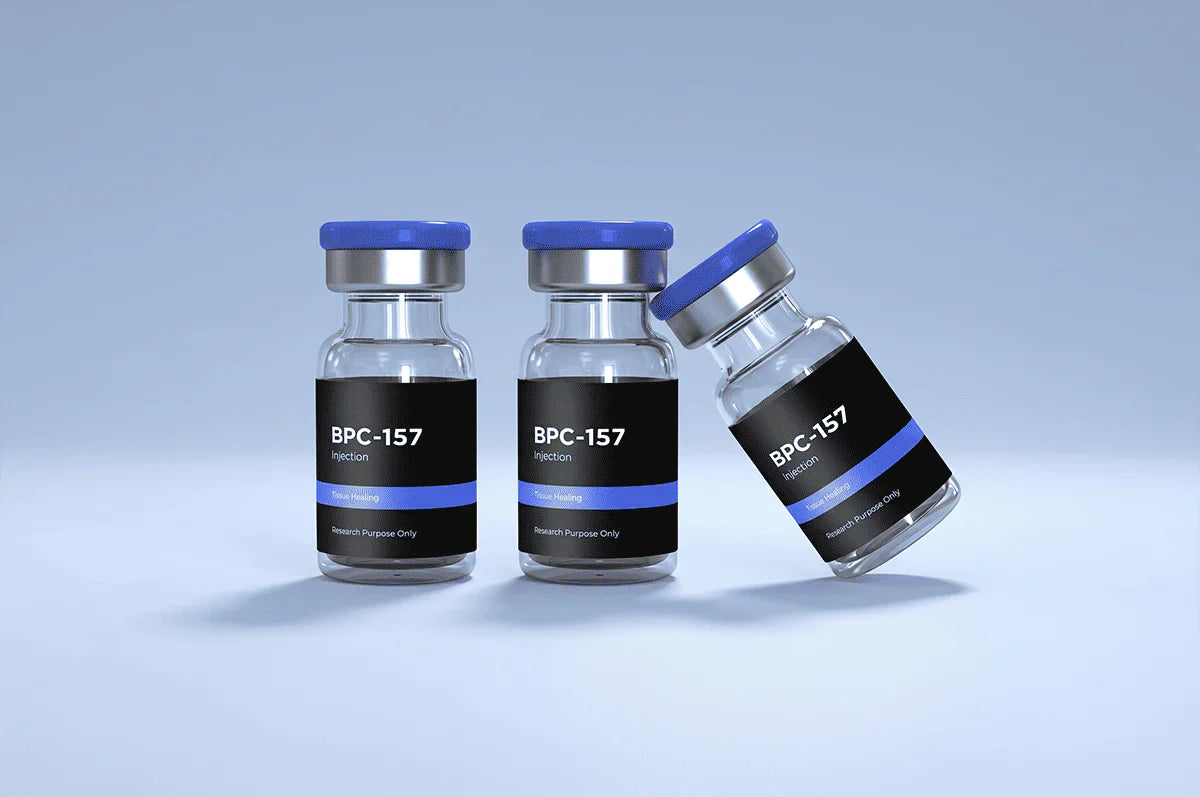
It is rarely the same in the bottle
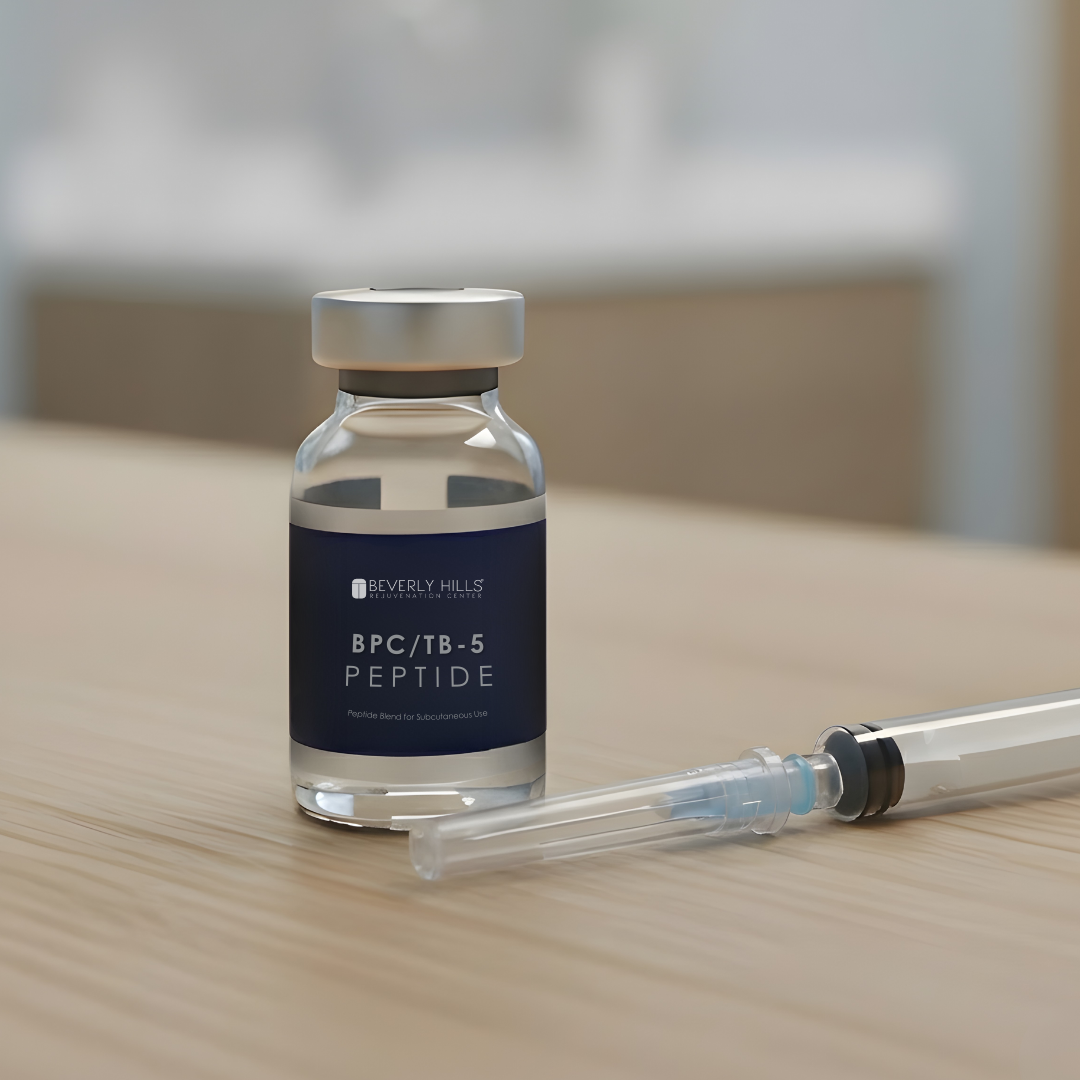
This guide explains the difference between "still chemically present," "still sterile enough for a multi-use vial," and "still appropriate for a controlled research protocol." Quick Answer: 28 Days Is the Conservative Rule For general research planning, the cleanest answer is: reconstituted peptides usually last about 3-4 weeks in the refrigerator when mixed with bacteriostatic water and handled carefully
Answer: KLOW is a two-peptide combination of KPV and BPC-157 used to address both sides of gut dysfunction at once: the inflammatory immune signaling on one side and the integrity of the intestinal barrier on the other
Do not continue with research work if the solution has: Visible fibres or particles Strong cloudiness that does not settle Yellow, brown, or unusual colour change Contamination signs around the stopper Cracked vial glass or damaged seal DailyMed guidance for reconstituted materials also highlights visual inspection for clarity, unexpected precipitation, and discolouration
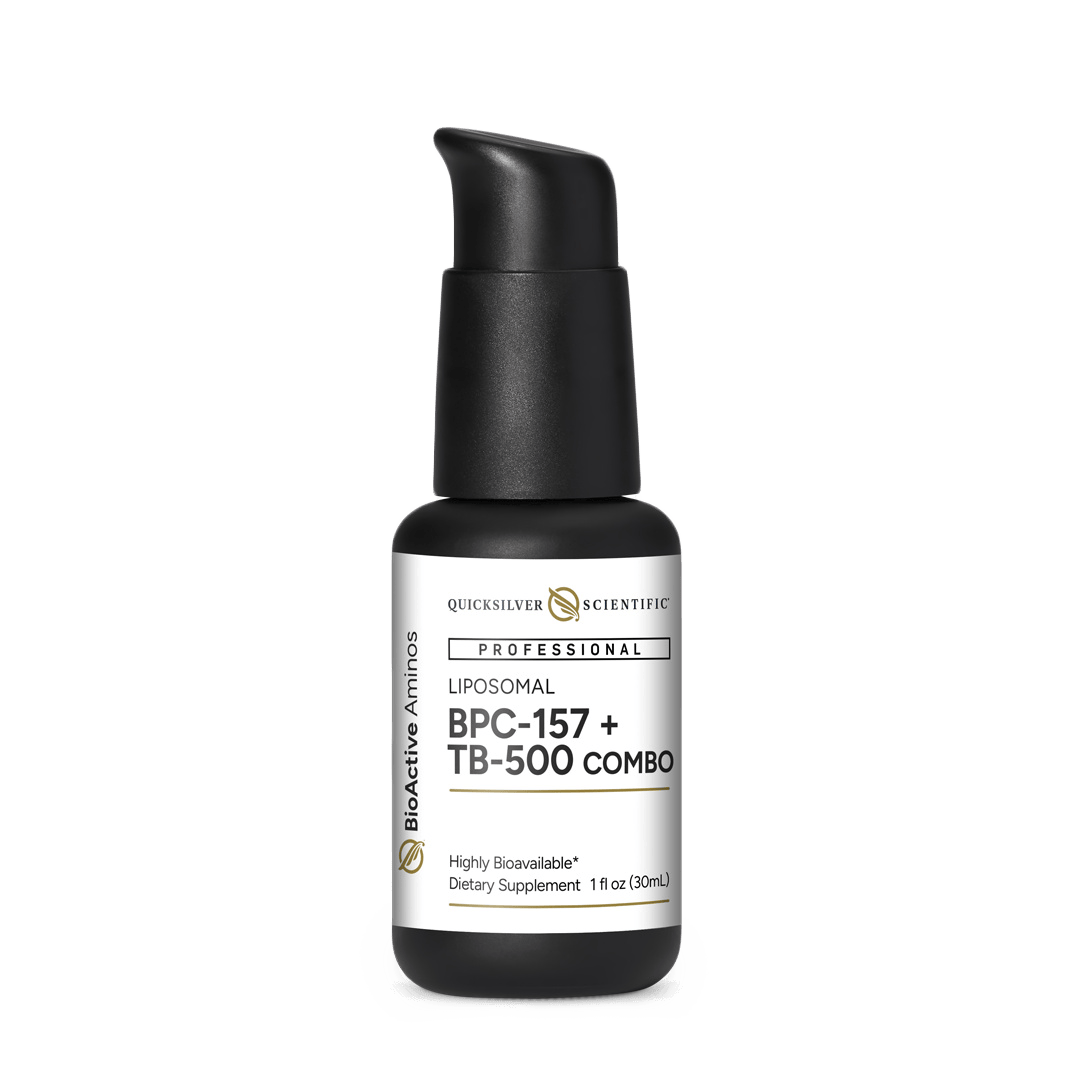
BPC-157 side effects and TB-500 side effects can occur
Despite its reputation, BPC-157 is still classified for research use only and has not been approved by the FDA for medical treatments