LAYERED MOISTURE, NOT TALLOW ALONE Glycerin, butylene glycol and sodium polyglutamate support a moisturized skin feel, while beef tallow, olive oil, jojoba oil and beeswax add emollient richness
Poor hydration can lead to reduced performance, increased fatigue and a greater risk of injury
J Endocrinol 183 , 155162 (2004)

Abbreviations ACTH: Adrenocorticotrophin hormone -MSH: -Melanocyte stimulating hormone BBB: Blood-brain barrier -END: Beta-endorphin -end / : Genetic notation for mutation that expresses all melanocortin peptides except -endorphin -LPH: Beta-lipotropin -MSH: Beta-melanocyte stimulating hormone cAMP: Adenosine 3,5-monophosphate C57BL/6J: Species of mouse (wild type) CLIP: Corticotrophin-like intermediate lobe peptide CNS: Central nervous system COMT : Gene encoding catechol-O-methyltransferase) CYP2D6: Cytochrome P450 2D6 metabolic enzyme -LPH: gamma-lipotropin GCH1 : Gene encoding GTP (guanosine triphosphate) cyclohydrolase 1 GTP: Guanosine triphosphate HLA: Human leukocyte antigen K14-SCF: Notation for mice with increased epidermal melanocytes MAC: Minimum alveolar concentration MC1R: Melanocortin 1 receptor Mc1r : Alleles for MC1R Mc1r : e/e Mutant mice lacking MC1R MC3R: Melanocortin 3 receptor MC4R: Melanocortin 4 receptors Mc4r : Allele for MC4R Mitf mi wh/mi : wh Allele notation for mice lacking melanocytes [Nle4,D-Phe7]--MSH: Melanocortin agonist N-POC: N-pro-opiomelanocortin OPRM1: -Opioid receptor for -endorphin Oprm1 : / Genetic notation for a strain lacking -opioid receptor for -endorphin PC: Proconvertase POMC: Proopiomelanocortin QTL: Quantitative trait locus SHU-9119: Melanocortin receptor antagonist Tyr : c/c Genetic notation for albino mice U50,488: Broad -opioid agonist UV: Ultra-violet WT: Wild type References Liem EB, Lin C, Suleman M, Doufas AG, Gregg RG, Veauthier JM, et al
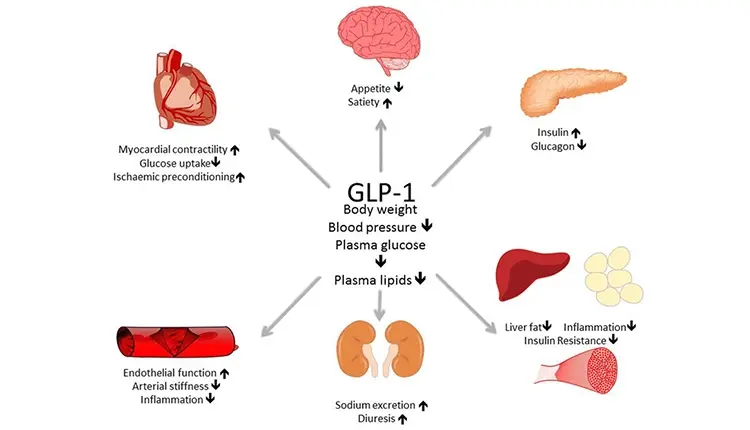
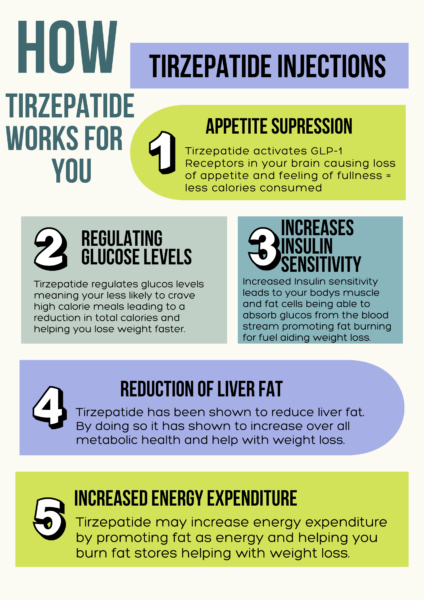
If side effects are severe, some patients work with their providers to use every-other-week dosing as a temporary step while titrating up, allowing their digestive system to adjust gradually
Daily SPF protection on the lips is recommended both to prevent new spots from forming and to reduce long-term skin cancer risk