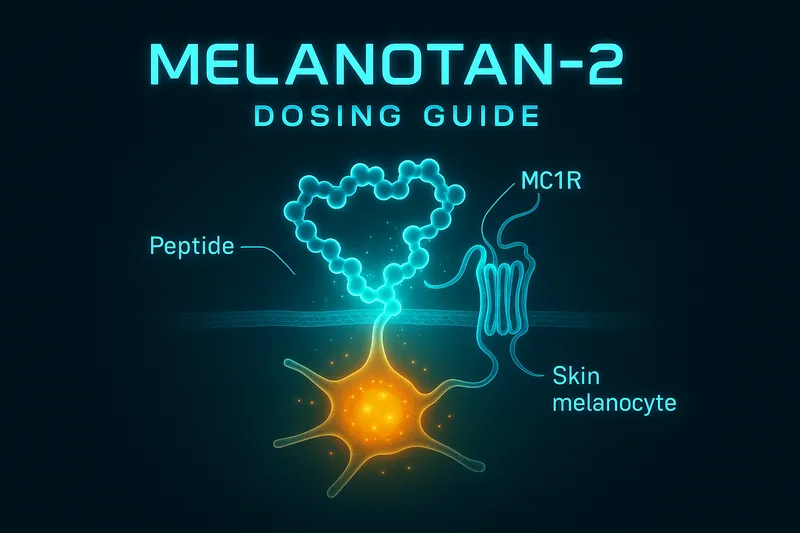
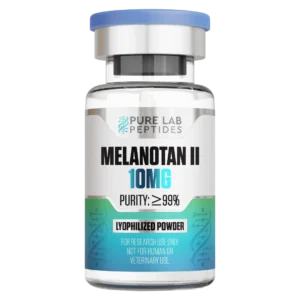
Key Characteristics of Melanotan 1 (MT1) (10 mg) Synthetic -MSH analog designed for melanocortin receptor research Engineered peptide structure with terminal acetylation and amidation High analytical purity suitable for controlled experimental models Commonly used in melanocyte biology and receptor pharmacology studies Lyophilized presentation supports handling and reconstitution in laboratory workflows Compatible with in vitro cell-based assays and preclinical models Quality verified through chromatographic and spectrometric analysis How Melanotan 1 (MT1) (10 mg) Supports Research Melanotan 1 (MT1) is widely used in laboratory studies to examine melanocortin receptor activation and the signaling pathways that follow
Key Features: GLP-1 T (40mg) mimics the action of glucagon-like peptide-1 (GLP-1) , a hormone that plays a vital role in enhancing insulin secretion and regulating blood sugar levels after meals
Contact our team for tips on dealing with a hangover and how to manage Hashimotos hypothyroidism.
Generally, Glutathione 200 mg Troche is well-tolerated with minimal side effects
GLP-1 patches The Onmorlo GLP-1 patch system represents a completely different approach to dosing frequency
Several studies have demonstrated that metformins stimulation of autophagy can result in increased apoptosis in cancer cells ( Moreover, metformins interactions with autophagy in glioma can be further supported by evidence showing that the drug, in combination with other therapies, can alter the tumor microenvironment ( 2.3 Necrosis Research has increasingly focused on the role of necrosis, especially necroptosis, in metformins therapeutic efficacy against glioma cells ( Furthermore, the combination of metformin with 2-deoxyglucose has demonstrated remarkable efficacy in promoting necrotic cell death in glioma cells ( Research has started to unveil the role of necrosis, particularly necroptosis, in metformins therapeutic efficacy