GLP-1 encourages your pancreas to release insulin, which lowers the amount of glucose (a type of sugar) in your blood
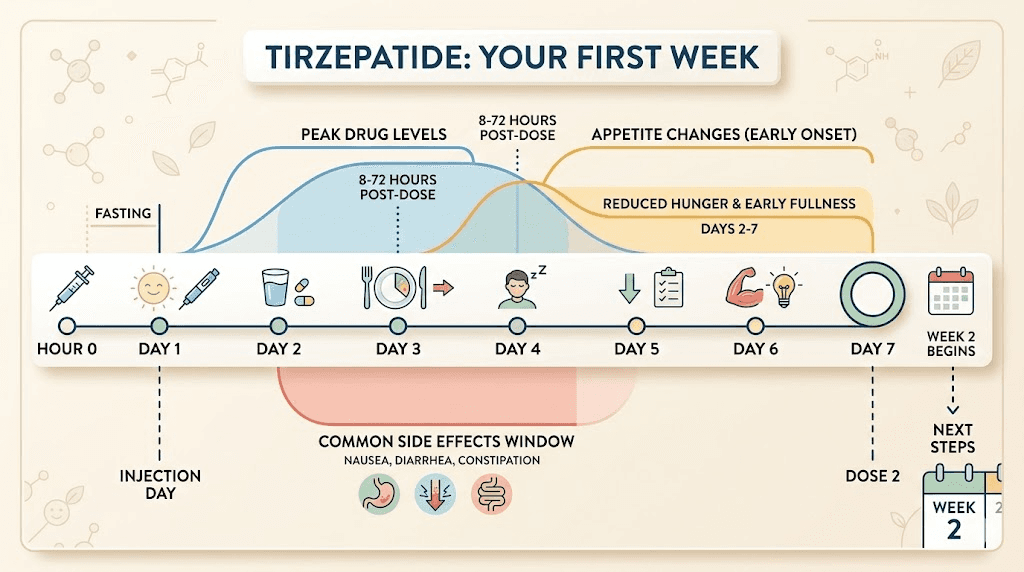
The management challenge is getting through the early phase with minimal discomfort while the weight loss catches up to provide its own protective effect
A large number of clinical studies have shown that this loss of appetite caused by treatment with semaglutide or tirzepatide is associated with a significant decrease in body weight in people who suffer from obesity
Sources: Oxford University systematic review on weight regain after stopping GLP-1 medications, reported via Medical Daily (July 2026): Wilding, J.P.H., et al
CLINICAL BOX 25-2: MEDIUM-CHAIN ACYL-COA DEHYDROGENASE DEFICIENCY Medium-chain acyl-CoA dehydrogenase (MCAD), which is also called acyl-CoA dehydrogenase, medium-chain (ACADM), is so called because of the size range of its fatty acyl-CoA substrates
Cardiovascular and renal outcomes of GLP-1 receptor agonists vs









:max_bytes(150000):strip_icc():focal(749x311:751x313)/Gabriel-IglesiasMayim-Bialik-and-Valerie-Bertinelli-060926-5ce5ab701dc546efb795b828cec51c2c.jpg)










![Tabbed Sleeves for Top Loaders and Card Savers [200 Count] : Toys & Games](https://m.media-amazon.com/images/I/71X9lGt7hCL.jpg)


