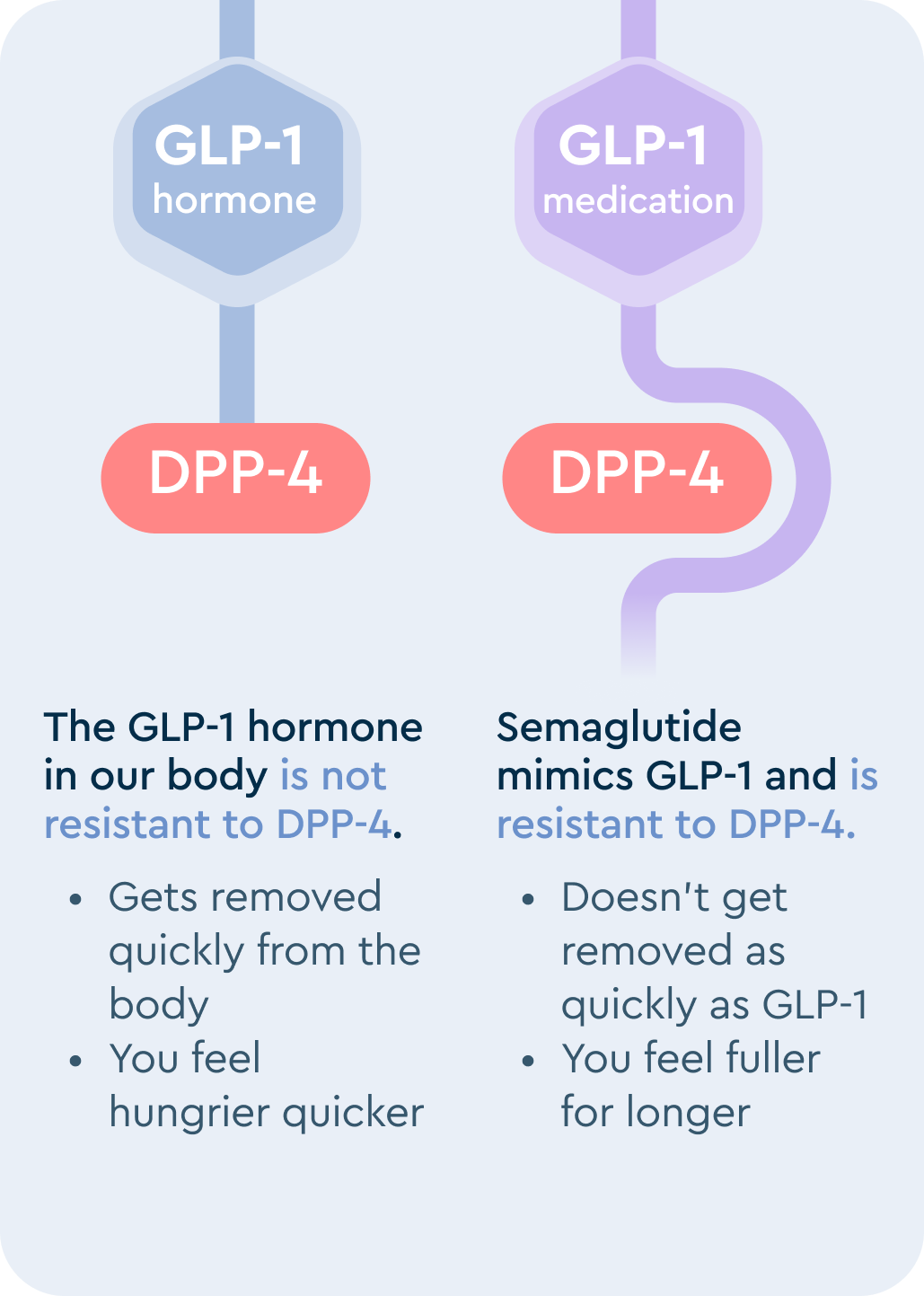
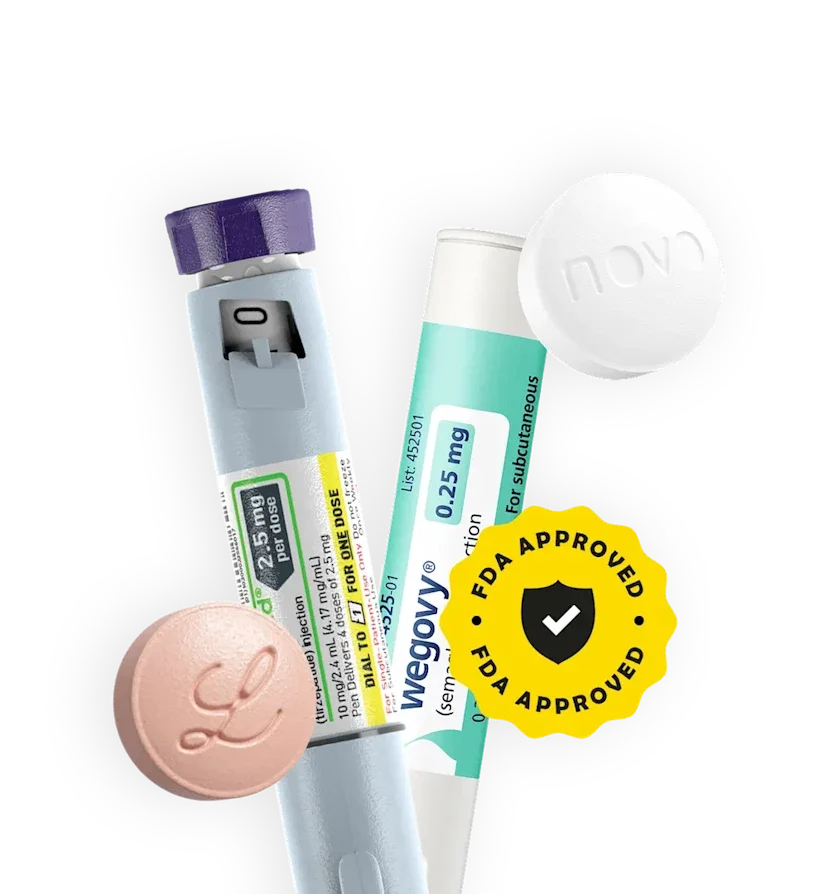
Animal studies suggest that GLP-1 medications may have limited passage into breast milk due to their molecular size and protein-binding characteristics, but direct human lactation studies remain sparse
Because it is designed exclusively for laboratory research and development, it offers excellent stability and dependable performance for advanced scientific studies
Additionally, we showed that greater AR content of TA was moderately correlated to greater glycolytic myofiber size of trained males and females, which has been reported in resistance trained young men [10]
This dichotomy underscores that while locally administered lactate may be neuroprotective, elevated systemic lactate serves as a robust biomarker of global metabolic derangement and disease severity, heralding a worse clinical outcome
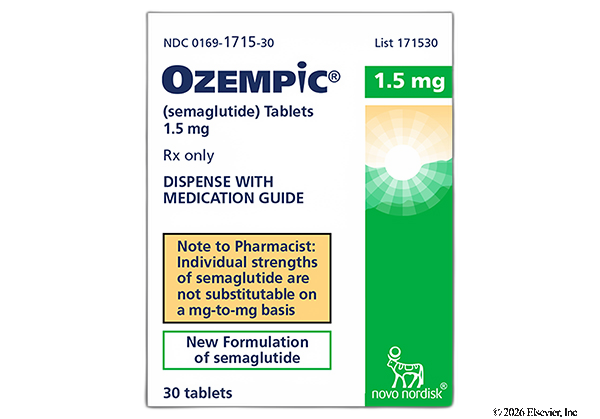
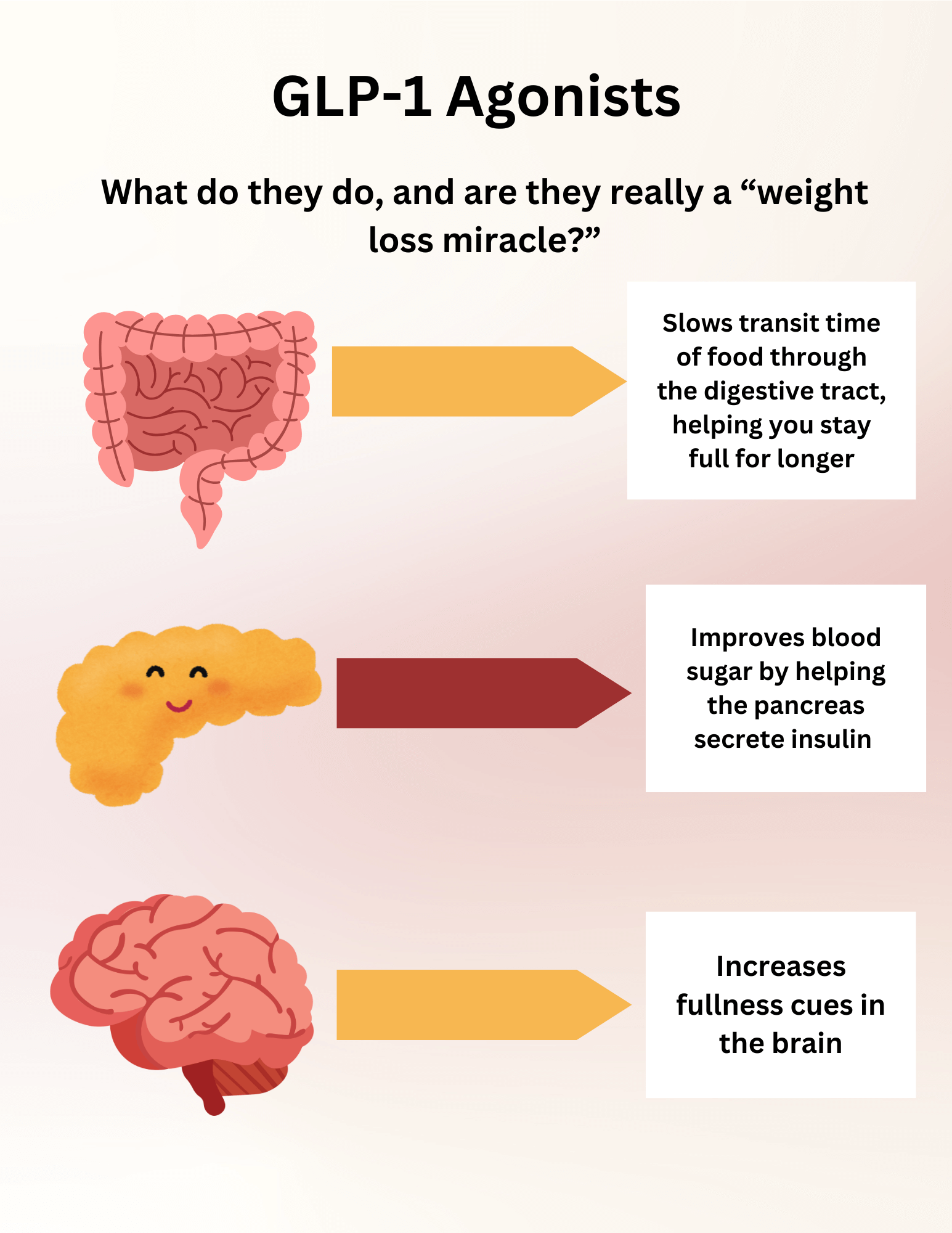
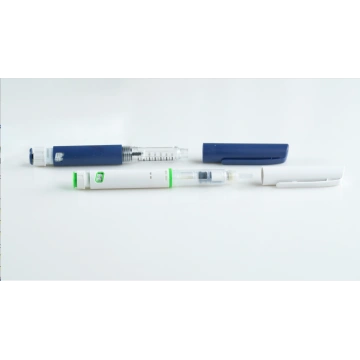
Ozempic is a GLP-1 receptor agonist, not insulin
This blog post explains the science behind follicular miniaturization and the importance of early intervention for successful regrowth