Common adverse effects include: Injection site reactions pain, redness, swelling, or bruising at the intramuscular injection site Gastrointestinal disturbances nausea, diarrhoea, or abdominal discomfort Headache and dizziness particularly following initial doses Skin reactions including rash, pruritus, or acne-like eruptions Flushing temporary redness of the skin Chromaturia red-coloured urine (harmless but can cause concern if unexpected) Less common but more serious reactions include: Hypersensitivity reactions ranging from mild urticaria to anaphylaxis (rare but potentially life-threatening) Hypokalaemia particularly during initial treatment when rapid cell production occurs [5] [16] Temporary changes in blood counts during correction of deficiency Interference with laboratory tests primarily with high-dose IV hydroxocobalamin used for cyanide poisoning, not typically with standard 1mg IM replacement doses Cautions and contraindications: Hypersensitivity to cobalt or vitamin B12 Cyanocobalamin should be avoided in Leber's hereditary optic neuropathy [2] [17] Chloramphenicol may reduce the haematological response to B12 therapy Patients receiving B12 injections outside clinical necessity face unnecessary risks without proven benefit
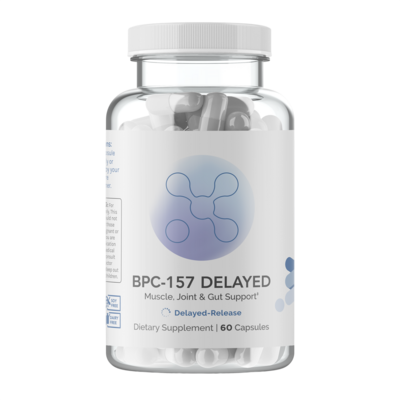
Usage instructions Glutathione Injection is self-administered subcutaneously up to 5 times per week, according to your provider-guided titration schedule
If thalassemia is documented, the code comes from the D56 family
Myth: All peptides are the same
Start Free Assessment Table of contents Why this question is asked so often The reconstitution math, shown three ways Why concentration choice depends on the dose The 12 mg weekly dose problem: when 30 mg vials get awkward USP 797 doesn't change with vial size What "BAC water" actually is What pharmacy quality systems catch that home preparation can't The Phase 2 trial reference point Decision framework for patients, clinicians, researchers FAQ Sources Why this question is asked so often Search interest in "how much BAC water to reconstitute 30 mg retatrutide" is high, much higher than search volume for smaller vial sizes
and people with conditions that cause nutrient malabsorption and/or gastrointestinal blood loss (such as celiac disease, ulcerative colitis, and Crohn's disease)


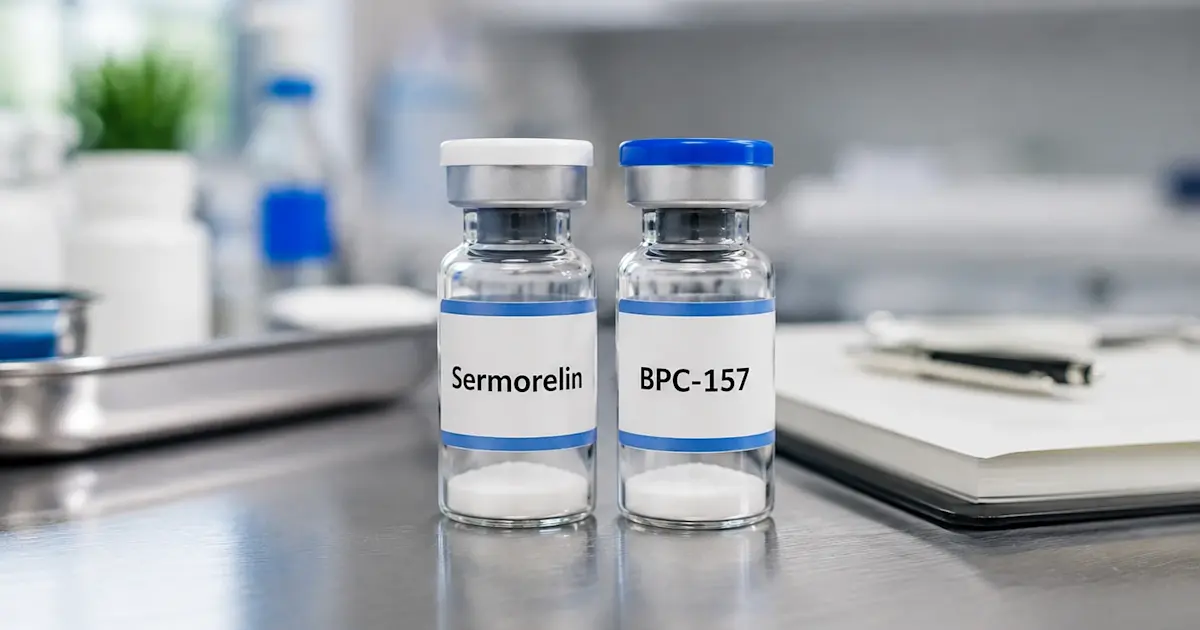

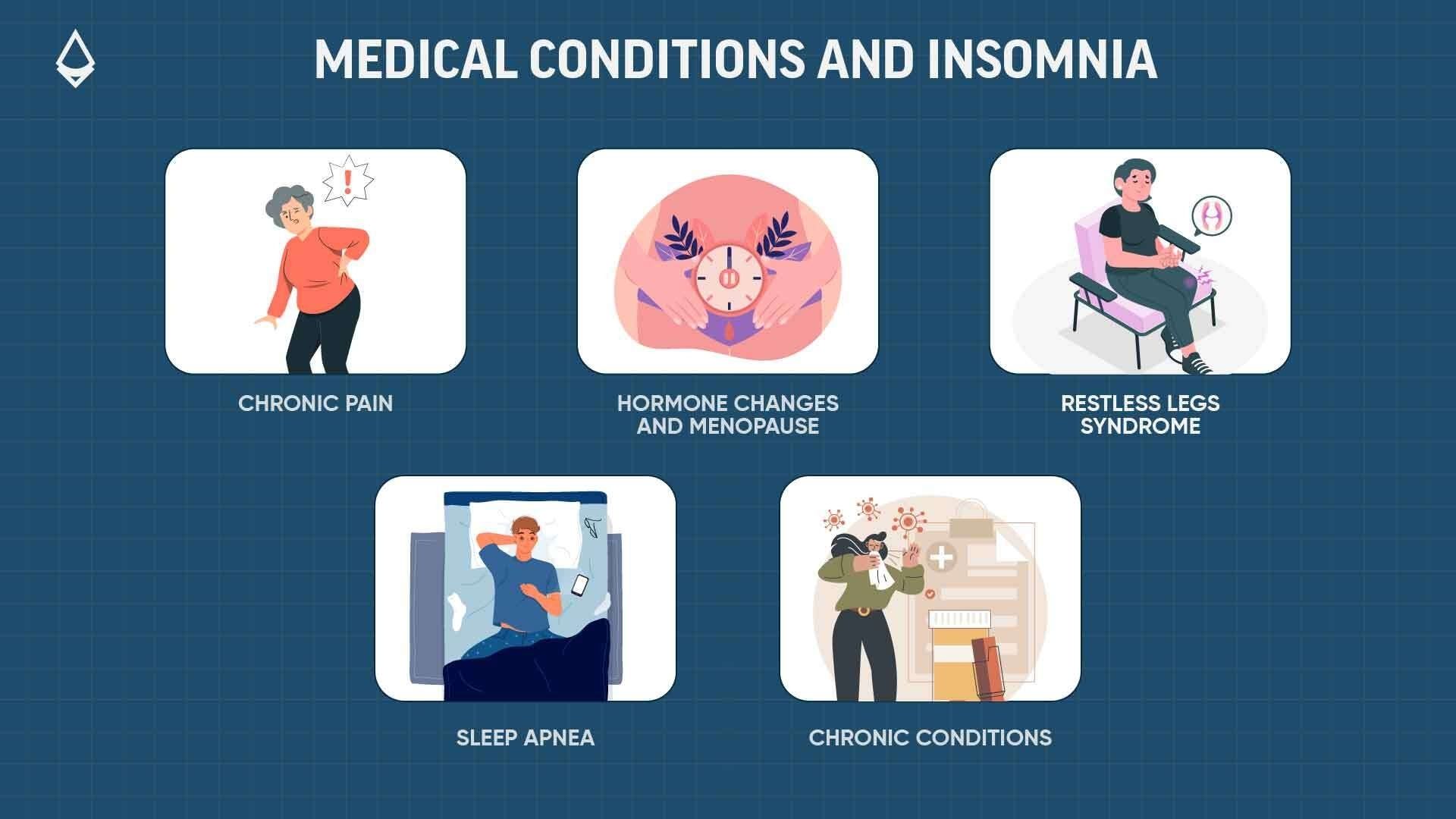










%25201.png)



![Henry Meds Semaglutide Review [2026]](https://innerbody.imgix.net/henry-semaglutide.jpg?auto=format,compress&fit=max&w=826&q=75)